Jamaica vs USA Highlights: Tolling Technology Overview
When comparing driving experiences between Jamaica and the United States, one clear distinction lies in how toll roads are managed. While Jamaica’s roads largely rely on manual toll collection and limited electronic systems, the U.S. has embraced a range of advanced e‑toll solutions like E‑ZPass and toll‑by‑plate. This article examines the core differences and the implications for everyday commuters and occasional travelers.
Understanding the Basics of Electronic Tolling
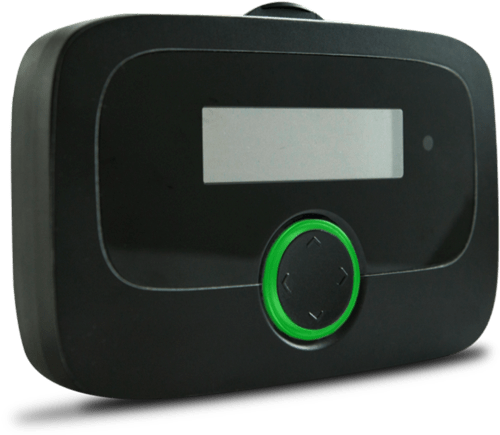
The European Electronic Toll Service (EETS) provides a single‑device, single‑payment method across participating countries, and its hardware—such as the DKV EETS Toll Box—is a compact unit that captures and transmits toll data automatically. Although Jamaica and the U.S. do not use the EETS framework, the underlying principles of automated tolling are similar, making the EETS box a useful case study for how electronic toll infrastructure operates worldwide.

How Jamaica’s Toll Roads Work
- Manual Collection – Most Jamaican toll stations still rely on toll collectors or basic electronic kiosks, requiring drivers to stop or use a simple card reader.
- Limited RFID Options – A few newer routes experiment with RFID tags, but coverage and integration are uneven.
- Impact on Traffic – Frequent manual stops can create bottlenecks, especially during peak hours or at the popular Portmore–Mandeville toll plaza.
U.S. Tolling: A Fragmented but Evolving Landscape
- E‑ZPass and Similar Systems – Widely adopted in the Northeast, Mid‑Atlantic, and parts of the West Coast, these transponders allow seamless passage through toll plazas.
- Toll‑by‑Plate – States like Texas and California issue electronic citations to vehicles that do not carry a transponder, using cameras and license‑plate data.
- Interoperability Challenges – Despite efforts to create a national network, drivers often need to register multiple accounts to avoid duplicate payments.
Real‑World Scenarios for Drivers
Consider a Jamaican driver taking the Motorway to Kingston for the first time. Without a prepaid toll account, the driver must stop at a manual kiosk, which can delay the trip by several minutes. In contrast, an American driver heading to Washington, D.C. may pass a toll plaza in seconds thanks to an E‑ZPass, but could still face a charge if they forget to register the transponder in a different state.
Scenario: International Travelers and Toll Compatibility
Tourists from the U.S. visiting Jamaica may find the absence of a unified electronic system a minor inconvenience, while Jamaican visitors to the U.S. often need to familiarize themselves with regional toll rules and obtain a transponder or accept a toll‑by‑plate citation. The DKV EETS Toll Box serves as a prototype for what a unified system could look like, offering a glimpse into the potential benefits of a single, cross‑border device.
Implications for Policy and Technology Adoption
Jamaica’s gradual shift toward RFID and digital payments reflects a desire to reduce congestion and improve revenue collection, but the lack of nationwide infrastructure limits its effectiveness. Meanwhile, U.S. states continue to invest in camera‑based enforcement and transponder networks, yet still grapple with interoperability and customer confusion.
What Could a Unified Approach Offer?
- Lower Administrative Costs – A single device and account system would reduce the need for multiple toll plates and customer service lines.
- Improved Traffic Flow – Automated, contactless payment eliminates stop‑and‑pay delays, which could benefit high‑volume corridors in both countries.
- Data‑Driven Planning – Centralized toll data could help governments optimize lane usage and maintenance schedules.
Practical Takeaways for Everyday Drivers
- In Jamaica, pre‑pay where possible and keep a small amount of change for manual tolls.
- American commuters should register their transponder in each state they travel through to avoid duplicate charges.
- International travelers may benefit from researching the toll policies of their destination country and considering temporary e‑toll services if available.
While Jamaica and the United States differ markedly in their tolling approaches, both can learn from the efficiency gains demonstrated by the DKV EETS Toll Box and similar technologies. As road networks evolve, a move toward greater standardization and automation will likely become essential for both drivers and authorities seeking smoother, more predictable travel experiences.