Banana Ball Rules 2026: Modernizing Fashion Illustration Standards
In the ever‑evolving world of fashion design, the term “banana ball rules 2026” has emerged as a shorthand for a new, streamlined set of guidelines that streamline sketching, prototyping, and digital rendering. Though the phrase originally sounded whimsical, it now signals a decisive shift toward consistency and efficiency in the way designers translate ideas onto paper and screens.
Why “Banana Ball” Became a Benchmark
The nickname arose from a 2026 workshop hosted by the International Council of Fashion Designers. Participants joked that the rules, once tangled and overlapping, now resemble a simple, rounded shape—like a banana ball—where each rule is a single, clear instruction. The result is a compact framework that beginners and veterans alike can reference to avoid common pitfalls.
- Consistency – Standardized proportions and line weights reduce confusion when sketches are shared across teams.
- Speed – Quick reference tables allow designers to move from concept to draft in under ten minutes.
- Collaboration – A common visual vocabulary bridges gaps between illustrators, pattern makers, and tech teams.
Core Elements of the 2026 Guidelines
At the heart of the new rules is a set of ten key directives that cover posture, gesture, detail hierarchy, and digital workflow. Each directive is supported by visual examples and best‑practice tips:
- Axis Alignment – Position key body points along a vertical axis to maintain balance.
- Gesture Prioritization – Capture the essence of movement before adding decorative details.
- Line Weight Spectrum – Use a three‑tone system: thin for hidden lines, medium for mid‑level detail, thick for structural outlines.
- Color Coding – Assign a color code to each garment layer, aiding rapid visual parsing.
- Digital Layering – Separate base sketch, line work, color, and shading into distinct layers in software like Illustrator.
- Texture Tokens – Standard symbols for fabric types (e.g., herringbone, satin) improve communication.
- Proportion Ratios – Adopt the 1:3:5 body‑to‑head ratio as a starting point for varied silhouettes.
- Reference Library – Maintain a shared repository of reference images for anatomy, drape, and accessory styles.
- Feedback Loop – Implement a two‑stage review process: quick peer check, then technical assessment.
- Export Standards – Save final sketches in high‑resolution PDF and PNG formats for print and online use.
Practical Takeaways for Aspiring Illustrators
Applying these rules can drastically cut learning curves. Here’s how to integrate them into a weekly routine:
- Morning Warm‑Up – Sketch one figure each day using the axis alignment rule to reinforce muscle memory.
- Midday Review – Compare your line weight with the template; adjust if hidden lines appear too thick.
- Evening Export – Save your latest draft in both PDF and PNG to check consistency across file types.
By sticking to the banana ball framework, newcomers gain a clear path to professional standards, while seasoned artists find a common language that speeds collaboration.
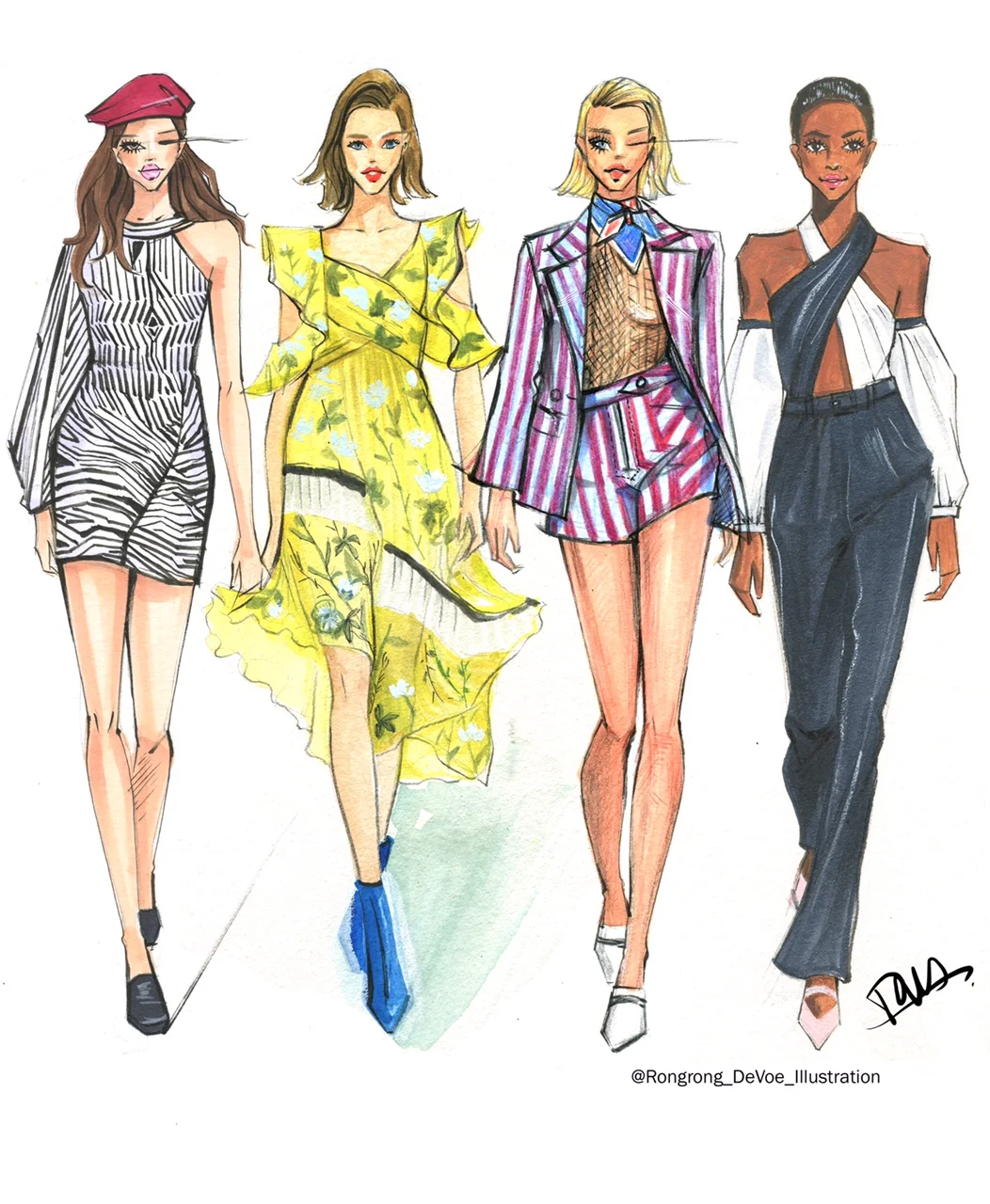
Implications for the Fashion Industry
Adopting the banana ball rules may seem like a small tweak, but its ripple effect is substantial. Brands can now reduce turnaround time for runway shows, and educational programs can streamline curricula. As global markets demand faster, more accurate visual communication, these rules position designers to meet tight deadlines without sacrificing creativity.
Ultimately, “banana ball rules 2026” embodies a broader movement toward clarity and efficiency in design. Whether you’re sketching in a notebook or animating a digital prototype, these guidelines offer a practical, proven path forward.